I’m a Brazilian-born British computational genomics researcher at the Sheffield Institute for Translational Neuroscience (SITraN), University of Sheffield, with a joint appointment at the Stanford Centre for Genomics and Personalized Medicine and membership in Cambridge Neuroscience.
My background is biology: undergrad in Rio, then a master’s on brain evolution in artiodactyls (Frontiers in Neuroanatomy, 2014; PNAS, 2019), before a CNPq-funded PhD in Cybernetics at Reading where I built open-source toolboxes for neuronal signal analysis. My first postdoc, at the Active Touch Laboratory in Sheffield, produced FootSim: a model of tactile responses across the human foot sole, built to restore sensory feedback to prosthetic limb users. It won the INSIGNEO Institute prize and was published in iScience (2022).
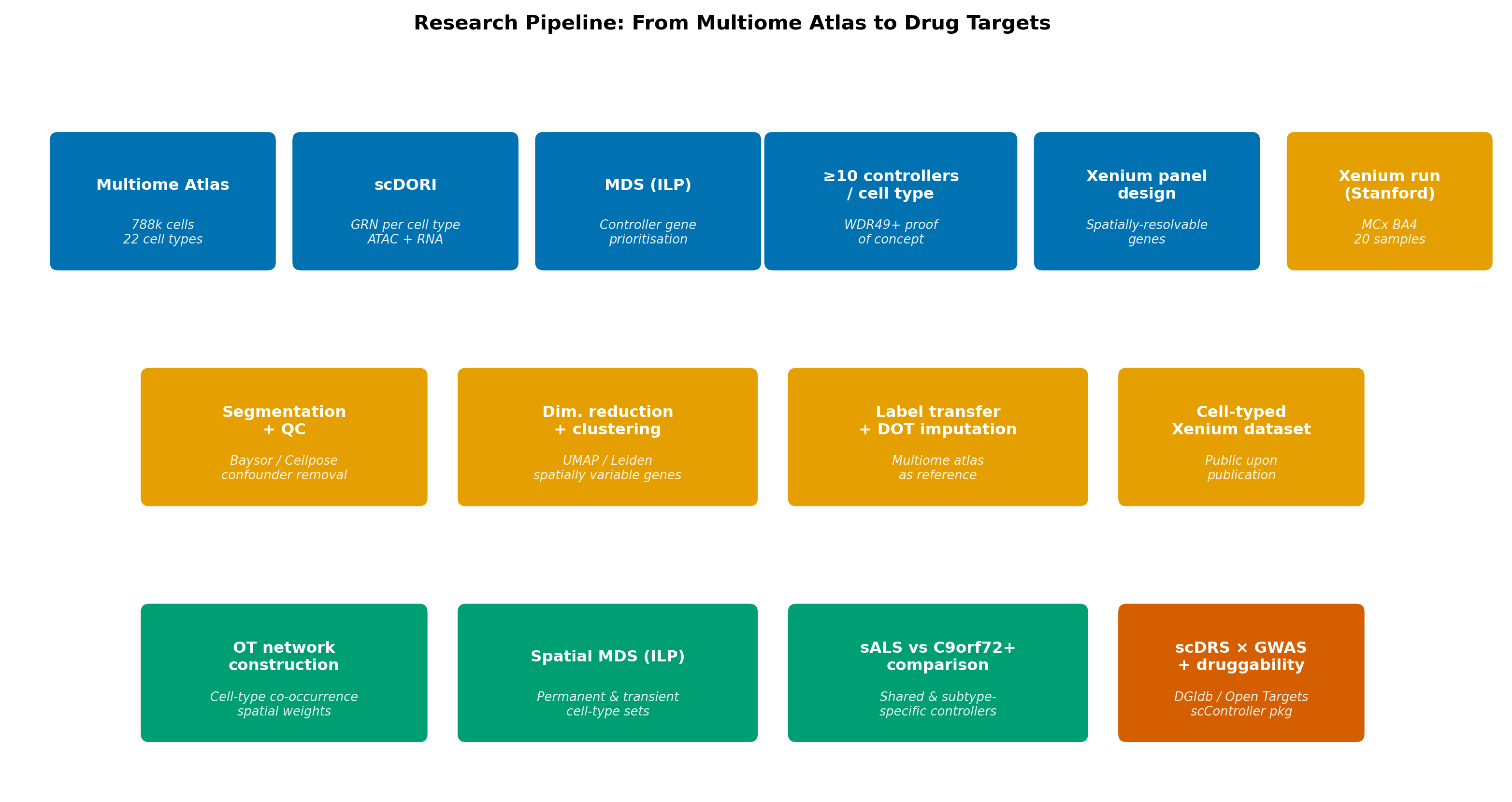
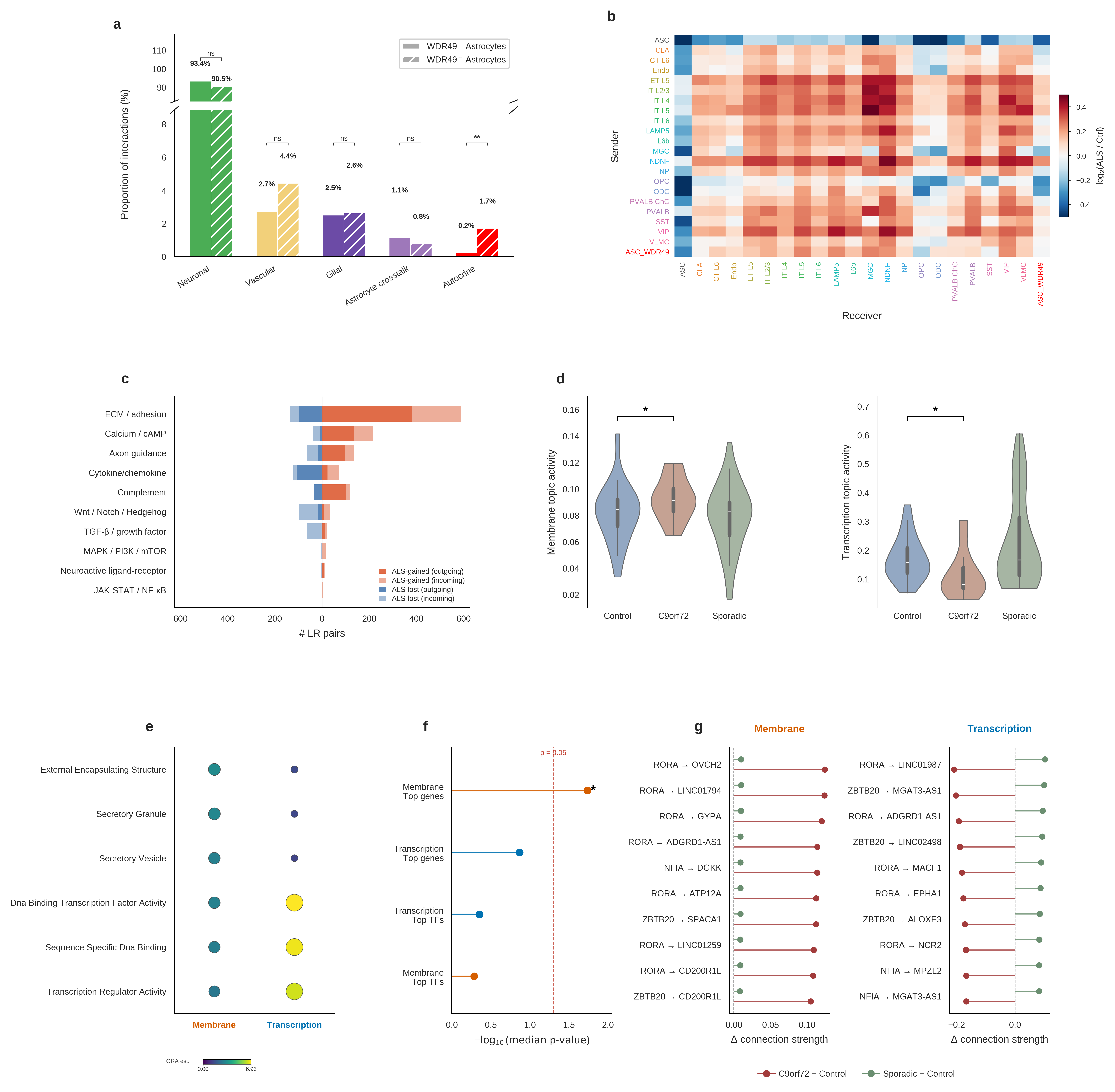
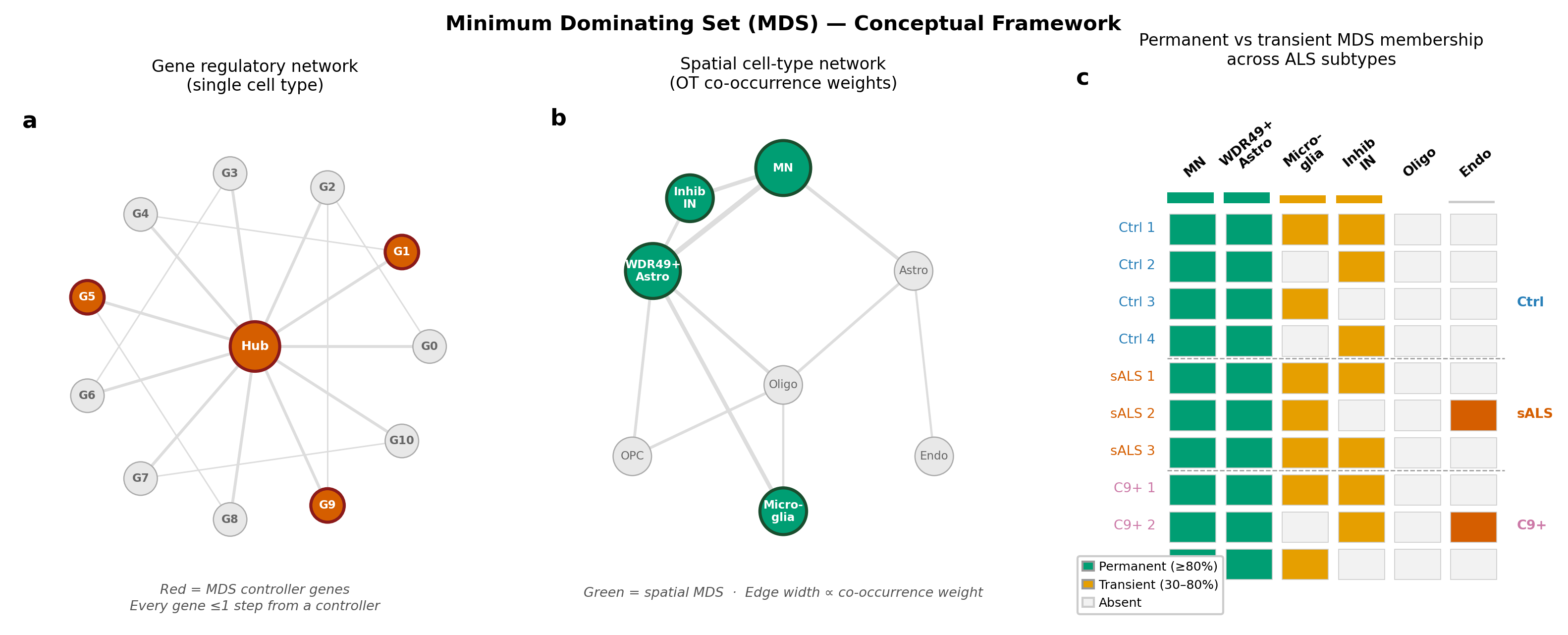
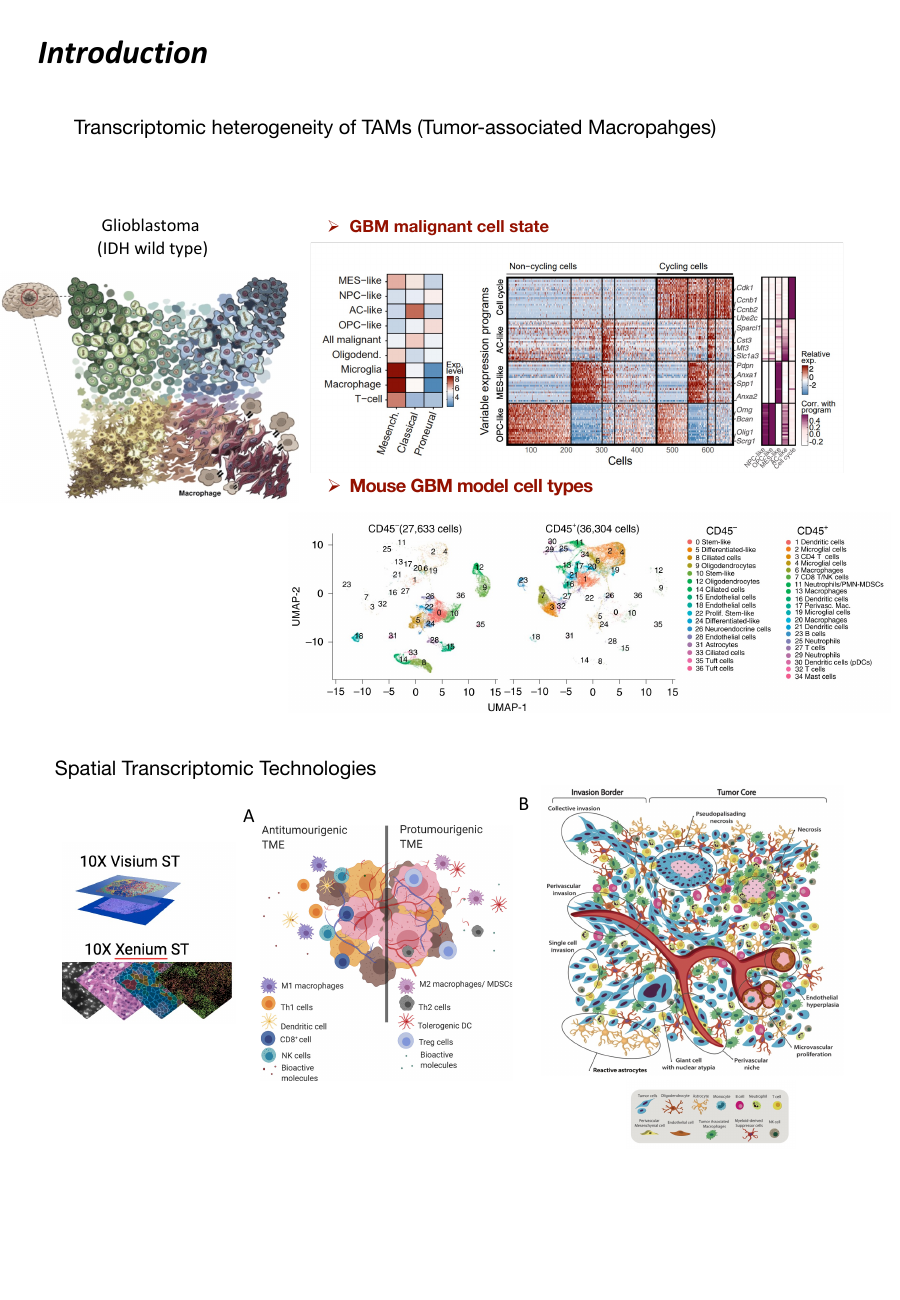
After industry and a fellowship at the Wellcome Sanger Institute, I joined the Cooper-Knock lab at SITraN. The centrepiece is the largest ALS single-cell multiome dataset assembled so far: 788,330 nuclei from 70 donors, mapping the regulatory architecture of motor neuron degeneration. A WDR49+ astrocyte subpopulation that looks protective against the disease has been the most unexpected result. I’ve also built a 10x Xenium spatial transcriptomics pipeline covering ALS/MND spinal cord, glioblastoma, and spinal cord injury, using DOT-based deconvolution, spatial niche identification, and network controllability to place GWAS-enriched cell populations within glial niche architecture. A separate project on TDP-43 splicing dysregulation as a shared mechanism across ALS, FTD, and Alzheimer’s disease is under review at Nature.
Based at the Sheffield Institute for Translational Neuroscience (SITraN), University of Sheffield, in collaboration with the Snyder Lab at Stanford University. Member of Cambridge Neuroscience. Main collaborators include the Bayraktar group at the Wellcome Sanger Institute.




News
June 2026
Invited to the second round of the MNDA Non-Clinical Junior Fellowship for “Network controllability of gene regulatory networks in ALS.”
22 May 2026
Talk at the University of Sheffield Neuroscience Institute ECR Symposium, presenting the ALS motor cortex multiome atlas.
30 April 2026
MNDA Non-Clinical Junior Fellowship application submitted: “Network controllability of gene regulatory networks in ALS.”
March 2026
Invited Speaker at LASCON 2026.
November 2024
Talk at the MNDA Annual Meeting: “Novel cell-specific insights from single-cell multiome profiling of diseased and healthy motor cortex.”
October 2024
Talk accepted at Genomics @ Scale 2025, Cambridge, on the ALS motor cortex multiome atlas.
August 2024
New preprint: “Selective pruning and neuronal death generate heavy-tail network connectivity.” arXiv:2408.02625
June 2025
Joined the Cooper-Knock group at SITraN, University of Sheffield, within the Snyder Lab collaboration at Stanford University.
May 2024
Rodrigo joined the Bayraktar Lab as Post-doctoral Fellow at the Wellcome Sanger Institute, University of Cambridge.